
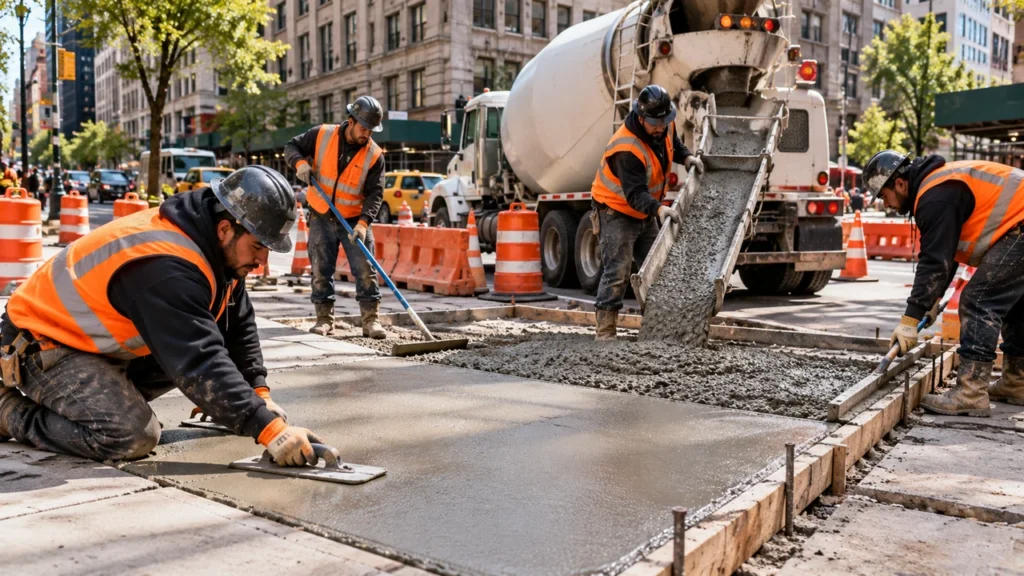
A DOT sidewalk violation notice is one of the most common — and most misunderstood — pieces of mail a Manhattan property owner can receive. It is not a fine, but ignoring it can eventually cost you far more than the repair itself. This guide explains what the violation means, the deadlines involved, your repair options, and how the violation gets dismissed once the work is done.
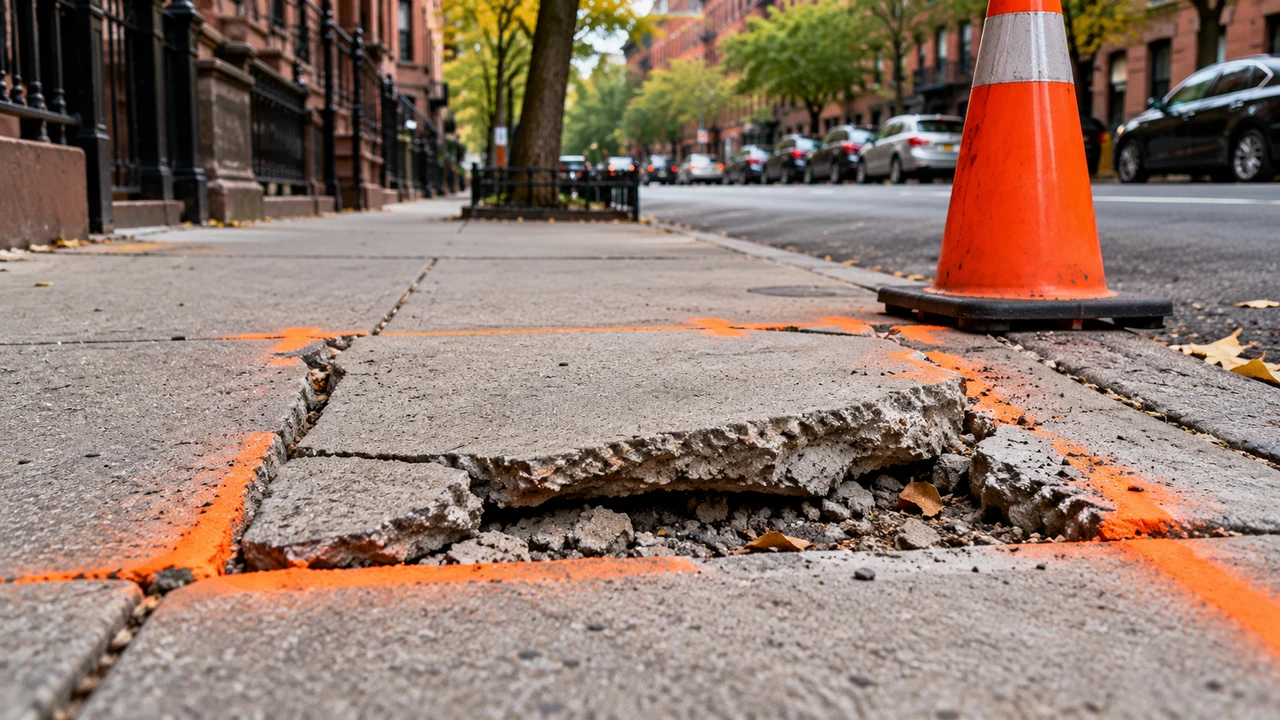
What an NYC DOT Sidewalk Violation Actually Is
Under NYC Administrative Code §19-152, property owners are responsible for maintaining the sidewalks adjoining their buildings in a state of good repair. When a Department of Transportation inspector finds defects — trip hazards, cracked or settled flags, improper slope, damaged curbs, or obstructions — the DOT issues a Notice of Violation describing each defect. The notice is recorded against the property. There is no immediate penalty, but the violation stays on record until the sidewalk is repaired and the DOT dismisses it after re-inspection.
Why You Should Not Ignore It
Three consequences catch owners off guard. First, liability: if someone trips on a defective flag, the adjoining owner — not the city — is generally liable for injuries. Second, transactions: an open sidewalk violation surfaces in title searches and can delay sales and refinancing. Third, city repair: if defects remain uncorrected, the city may eventually repair the sidewalk through its contractors and bill the owner, at city rates, with the charge becoming a lien if unpaid. Handling it yourself, on your schedule, is almost always cheaper. Our sidewalk and driveway contractors in Manhattan handle this process end to end.
Your Options After Receiving the Notice
Option 1: Repair it yourself with a permitted contractor
This is the route most owners take. A contractor with NYC DOT sidewalk permits pulls the permit, replaces or repairs the defective flags to DOT specifications, and the completed work is inspected so the violation can be dismissed.
Option 2: Dispute defects you believe are wrong
If the notice lists defects caused by a city tree or a utility, responsibility may be shared or shifted. Tree-related damage, for example, may qualify for the city’s Trees & Sidewalks repair program. It is worth checking before paying for another party’s damage.
Option 3: Ask about timelines if you just bought the property
New owners sometimes inherit violations. The DOT process still applies, but documenting your purchase date and repair plan early keeps you ahead of any city repair action.
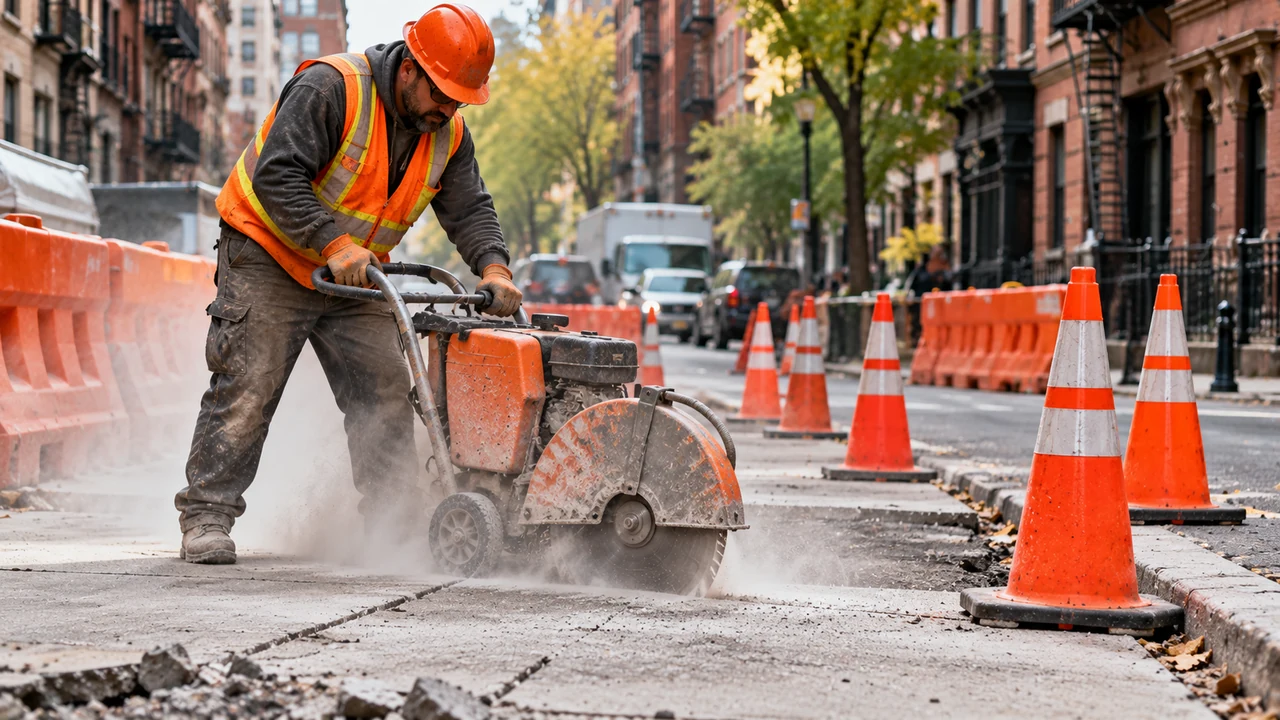
What Proper Sidewalk Repair Involves
DOT-spec repair is more than fresh concrete. Defective flags are saw-cut and removed, the base is re-compacted, and new concrete is poured at the required thickness with correct expansion joints and slope for drainage. Work around tree pits, vaults, and cellar doors has its own rules. Related surfaces — stoops, areaways, and adjoining concrete repair — are often corrected in the same mobilization to avoid a second permit and a second round of inspections.
How Long Does the Whole Process Take?
For a typical Manhattan storefront or brownstone frontage, the repair itself often takes only a few days once permits are in hand. Permit processing, scheduling, curing time, and the DOT re-inspection for dismissal add calendar time around the physical work. Starting promptly matters most: the clock that creates risk is not the DOT’s paperwork — it is the liability exposure of a known trip hazard.
FAQs
Is a sidewalk violation a fine?
No. The Notice of Violation itself carries no monetary penalty. Costs arise if you are sued over an injury, if the violation complicates a sale, or if the city performs the repair and bills you.
Who is responsible — the owner or the tenant?
The property owner bears the legal duty for sidewalk condition in most cases, though commercial leases often pass maintenance obligations to tenants. Check your lease, but do not let the question delay the repair.
Can I repair only the flagged defects?
Yes. The violation lists specific defects, and correcting those sections is what dismissal requires. Many owners also replace adjacent flags that are close to failing, since mobilization is already paid for.
How does the violation get removed from my record?
After permitted work is completed and passes inspection, the DOT dismisses the violation. Keep your permit, invoices, and dismissal documentation with your property records for future sales or refinancing.
Received a Notice? Get It Handled
If a DOT notice is sitting in your mailbox, the cheapest day to deal with it is today. Spark Construction Manhattan inspects the flagged defects, explains exactly what dismissal requires, and provides a free written estimate. Reach us through our contact page.