
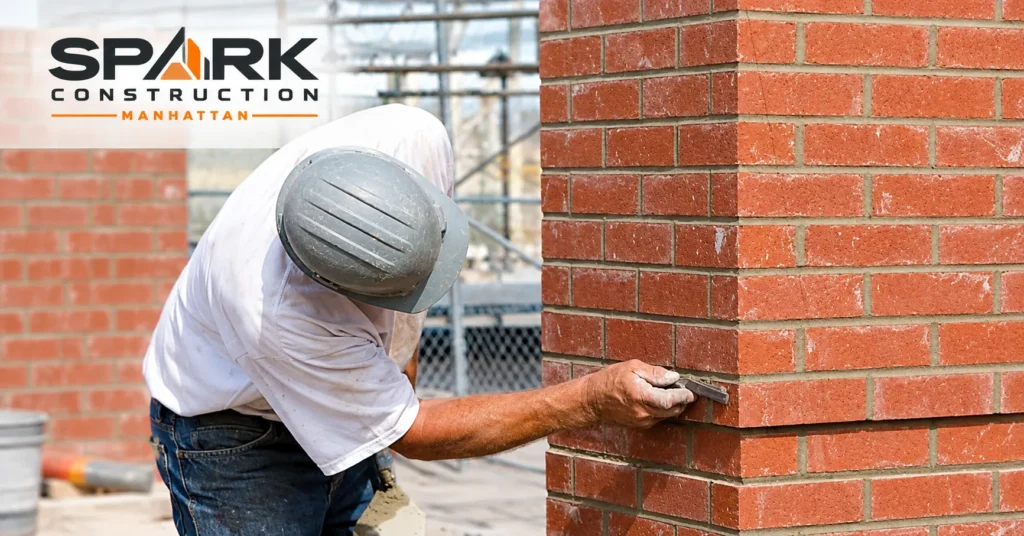
Brick and Stucco Restoration in Manhattan usually starts with something small. A crumbly joint by the stoop. A hairline crack under a window. You figure it can wait. A few winters later, water has been working behind that wall the whole time, and the repair costs far more. Here’s how to spot the signs, what causes them, and when to call someone.
What Is Brick and Stucco Restoration?
Restoration isn’t just making a wall look good again. It means fixing the damage and finding out why it happened. Sometimes that’s swapping a few cracked bricks. Sometimes it’s rebuilding mortar joints, patching stucco, or tracking down a leak.
Paint over a crack without checking for moisture and it’ll look great for a season. Then it opens up again. That’s why a good job starts with an inspection, not a trowel.
Here’s the page on brick and stucco restoration services from Spark Construction Manhattan.
Common Signs Your Brick or Stucco Needs Repair
Most wall damage doesn’t announce itself. Walk around your building twice a year and look up.
Cracked or Missing Mortar
Mortar is the gray stuff between the bricks. When it cracks, turns to powder, or drops out in chunks, water gets a free path into the wall. Brick Mortar Repair means grinding out the weak material and packing in fresh mortar. In an older Manhattan building, the new mix has to match the old brick.
Cracks in Stucco Walls
Stucco swells in July heat and shrinks in January, so thin hairline cracks are normal. Watch for the other kind: wide cracks, cracks that reopen after a patch, or spots that sound hollow when you tap them. Stucco Repair in Manhattan might be a small patch or a bigger tear-out. It depends on why the crack formed.
Water Stains and White Marks
Dark streaks, peeling paint, and a chalky white film on brick all say the same thing: water’s getting through. That film is efflorescence, salt left behind when moisture dries out. You can scrub it off, but it’ll come back if the leak is still there. A proper look will tell you whether Exterior Masonry Restoration is needed and where to start.
Loose or Damaged Bricks
A brick that wiggles, or one that’s split clean through, means the damage goes deeper. If a wall is bulging or pieces are dropping, don’t wait. Falling masonry is a real danger to anyone on the sidewalk below.
What Causes Brick and Stucco Damage in Manhattan?
Usually it’s a few things working together.
Weather starts it. Water seeps into tiny openings, freezes overnight and pushes the material apart. Then rain slips behind the surface through cracked mortar, damaged stucco or bad flashing. Plenty of exterior repair and renovation jobs begin with a leak just like that.
Age plays a part, especially if upkeep got pushed back. Past repairs can make things worse, too. The wrong mortar, or fresh stucco slapped over a damaged wall, brings the same problem right back.
Finding the real cause is what Building Facade Restoration is all about. Skip it, and even a clean-looking repair won’t last.
Brick Repair vs. Brick Replacement: Which Is Better?
It depends on how much of the wall is hurt.
When Brick Repair May Be Enough
If the bricks are sound but the joints are crumbling, repointing is usually enough. The old mortar comes out and new mortar goes in. If only a handful of bricks are damaged, they can be replaced one at a time.
Mortar harder than old brick can crack it, so Brick Restoration in Manhattan takes more care than just filling gaps.
When Replacement or Extensive Restoration Is Necessary
Bigger work comes into play when many bricks are badly damaged, large areas have broken down, or part of the wall isn’t stable. A professional assessment will tell you how far it goes. Better to fix it right once than keep paying for touch-ups.
How Professional Stucco Restoration Works
First, someone inspects the wall and marks the cracks, loose spots and stains. Bad stucco gets cut out, and anything solid stays. The leak or defect behind it gets fixed before new material goes on. Then the patch is applied and finished to match the texture around it.
The point is to fix the surface and the reason it failed. Troweling a new layer over a bad one rarely works.
How Much Does Brick and Stucco Restoration Cost in Manhattan?
The cost of Brick and Stucco Restoration in Manhattan depends on the size of the damaged area, the materials, how hard the spot is to reach and the kind of work involved. A small mortar patch is nothing like redoing a whole wall and upper floors may need scaffolding, which adds a lot.
Hidden moisture, structural problems and building approvals can change the price too. Ask for a written estimate that spells out the work, the materials and the schedule.
Why Hire a Professional Masonry Contractor?
A repair can look perfect from the street and still fail if water keeps getting in behind it. A qualified Masonry Contractor in Manhattan can look at the damage, explain your options, and suggest something that fits your building. That’s especially true for Masonry Restoration in Manhattan on older brick.
Before hiring, ask about the repair method, materials, schedule and insurance. You can read more about masonry services in Manhattan, including brickwork and repointing.
Why Choose Spark Construction Manhattan?
Look for a contractor who communicates clearly and gives you an estimate you can follow. Spark Construction Manhattan is based on the Upper West Side and has 15+ years of experience. The team handles brick and stucco restoration along with other exterior repairs for residential and commercial properties.
Before the first visit, jot down any visible damage and past leaks. If your building has cracked stucco, crumbling mortar, or damaged brick, contact Spark Construction Manhattan and ask for an estimate.
Protect Your Building With Timely Repairs
Brick and stucco walls need a little attention now and then. Small problems can sometimes be fixed without big work, but always find out what caused the damage first. Have a look at the brick and stucco restoration to learn more.
Frequently Asked Questions
How do I know if my brick facade needs restoration?
Look for missing mortar, cracked bricks, white deposits, water stains that keep coming back, or loose sections. A bulging wall should be checked right away.
Can damaged stucco be repaired without replacing the entire exterior?
Often, yes. If the damage is limited and the stucco around it is sound, a local patch can work. Widespread cracks or repeat moisture may mean bigger work.
Does brick restoration help prevent water damage?
It can. Good repairs cut down on water getting through joints and surfaces. Related problems, like faulty flashing, still need fixing.
How much does masonry restoration cost in Manhattan?
It depends on the damage, materials and access. A site visit and written estimate give a more reliable number.
When should I contact a masonry contractor?
When cracks keep returning, mortar is crumbling, bricks feel loose, or moisture stains won’t go away.